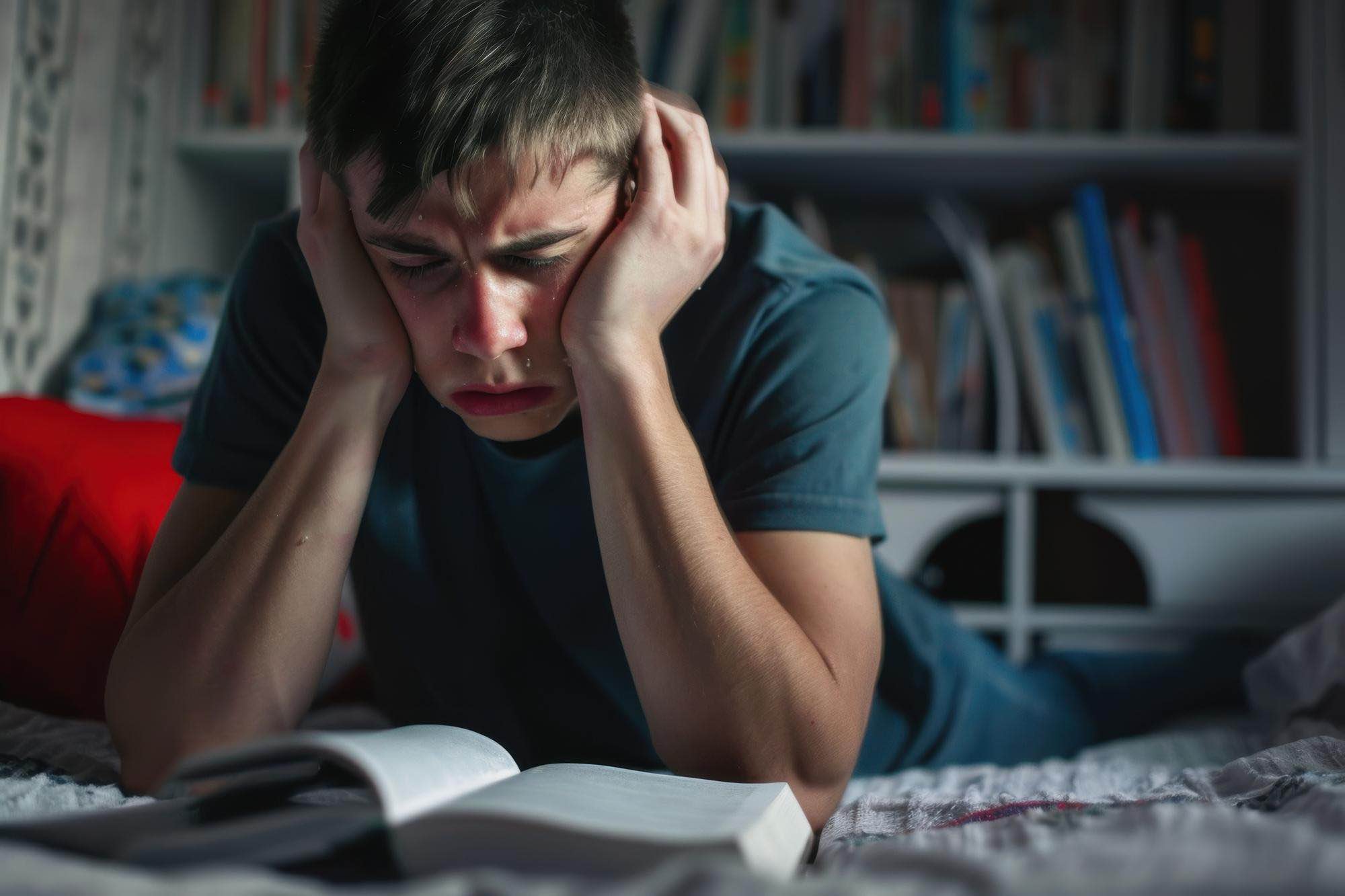
The teenage years can be a rollercoaster. Between school pressures, friendships, changing expectations and figuring out who they are, it is normal for teenagers to experience periods of worry or stress.
But when anxiety starts to interfere with everyday life, it can be harder to recognise than parents might expect.
Teenagers do not always say, “I’m feeling anxious.” Instead, anxiety in teenagers can show up as irritability, headaches, difficulty sleeping, avoiding school or suddenly losing interest in things they previously enjoyed.
For parents on the Sunshine Coast, knowing the signs of teen anxiety can make it easier to recognise when a teenager may need some extra support.
When Is Anxiety More Than Normal Teen Stress?
Some anxiety is a normal part of growing up. It can help teenagers prepare for an exam, navigate a difficult friendship or think carefully about an important decision.
The concern is when anxiety becomes persistent, excessive or begins interfering with everyday life. A teenager may start avoiding situations they previously managed, become increasingly worried about what others think, or find it difficult to switch off their thoughts.
Rather than focusing only on whether your teenager is anxious, consider how much anxiety is affecting their life.
Signs of Anxiety Parents Might Notice
Anxiety can look different from one teenager to another. Some common signs include:
Changes in Behaviour
Becoming more withdrawn, avoiding social activities, frequently asking to stay home or avoiding particular situations.
Irritability or Emotional Changes
Anxiety does not always look like fear. Some teenagers may become unusually irritable, frustrated or emotional.
Physical Symptoms
Headaches, stomach aches, nausea, muscle tension, fatigue or a racing heart can accompany anxiety. Sometimes teenagers may repeatedly complain of feeling unwell without an obvious physical explanation.
Sleep Difficulties
Trouble falling asleep, waking during the night or worrying excessively at bedtime can be signs that anxiety is taking up too much mental space.
Changes at School
Increased reluctance to attend school, difficulty concentrating, declining academic performance or significant distress around assessments or social situations may indicate that anxiety is getting in the way.
Look for Changes, Not Just Symptoms
One of the most useful things parents can do is notice changes from their teenager’s usual behaviour.
Maybe your normally social teenager has stopped seeing friends. Perhaps they used to love sport but now regularly find reasons not to go. Maybe they are spending significantly more time in their bedroom or becoming increasingly distressed about school.
These changes do not automatically mean your teenager has an anxiety disorder. Adolescence naturally involves periods of withdrawal and changing interests. But a noticeable and ongoing change is worth paying attention to.
How Can Parents Help a Teenager With Anxiety?
The first step is not necessarily to solve the problem. Instead, create opportunities for your teenager to talk without feeling interrogated.
Timing matters. Teenagers may be more likely to open up when there is less pressure to make eye contact or have a formal conversation. The car can be a particularly useful place to talk, you have some privacy, you are sitting alongside each other rather than face to face, and the conversation can feel more natural.
A quiet drive home from school, a walk, getting a snack together or doing something practical around the house can all create opportunities for conversation. Try to avoid raising difficult topics when your teenager is already highly emotional, rushing out the door or exhausted.
Keep questions open and conversational rather than asking a series of questions that can feel like an interrogation. Try:
- “I’ve noticed you’ve seemed a bit more stressed lately. How have things been going?”
- “Is there anything you’re finding particularly difficult at the moment?”
- “What would make things feel a little easier?”
Don’t be discouraged if you don’t get an answer straight away. Sometimes simply letting your teenager know that you are available to listen can make it easier for them to come back to the conversation later.
Most importantly, listen before jumping into advice. Teenagers are more likely to open up when they feel heard rather than judged or immediately given solutions.
When Should Parents Seek Help for Teen Anxiety on the Sunshine Coast?
Consider speaking with a psychologist if your teenager’s is persistent, worsening or significantly affecting their school attendance, friendships, family life, sleep, activities or overall wellbeing.
A psychologist for teens on the Sunshine Coast can provide a confidential and supportive environment where young people can talk about what they are experiencing and learn practical strategies for managing anxiety.
Evidence-based psychological therapies, including Cognitive Behavioural Therapy (CBT), can help teenagers identify anxious thinking patterns, reduce avoidance and gradually approach situations that have become difficult. Early support can help teenagers build skills and confidence before anxiety becomes more entrenched.
Finding Support for Teen Anxiety on the Sunshine Coast
Whether you are in Noosa, Maroochydore, Buderim, Caloundra or elsewhere across the Sunshine Coast, the right support can help your teenager understand their anxiety, develop practical coping strategies and reconnect with the people and activities that matter to them. We also offer support for anxiety in younger children if you have concerns about a child who isn’t yet a teenager.
Practical Takeaways for Parents
If you are concerned about your teenager’s anxiety:
- Look for patterns and changes, rather than one difficult day
- Take physical complaints seriously while also considering whether anxiety could be contributing
- Choose a relaxed time and setting to talk, the car can be surprisingly effective
- Ask open questions and listen without immediately trying to fix things
- Encourage small steps towards activities and situations anxiety has made difficult
- Consider seeing a teen psychologist when anxiety begins interfering with everyday life
You do not need to wait until anxiety becomes overwhelming before asking for help. Sometimes, noticing that “something just doesn’t seem like them lately” is enough reason to start a conversation, and sometimes, that conversation is the first step towards getting the support they need.
Get in touch with Anxiety House Sunshine Coast to find out how we can support your teenager.