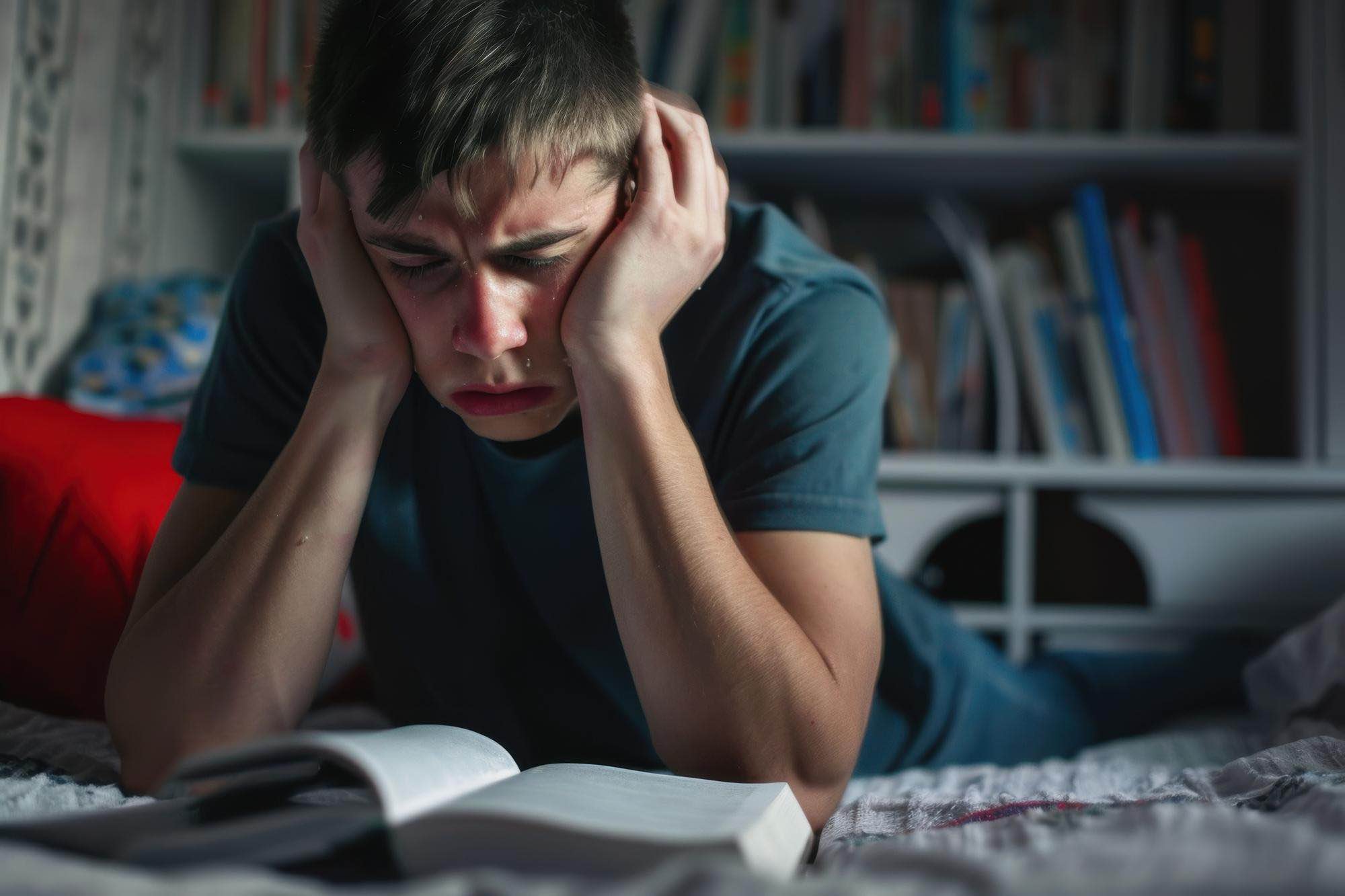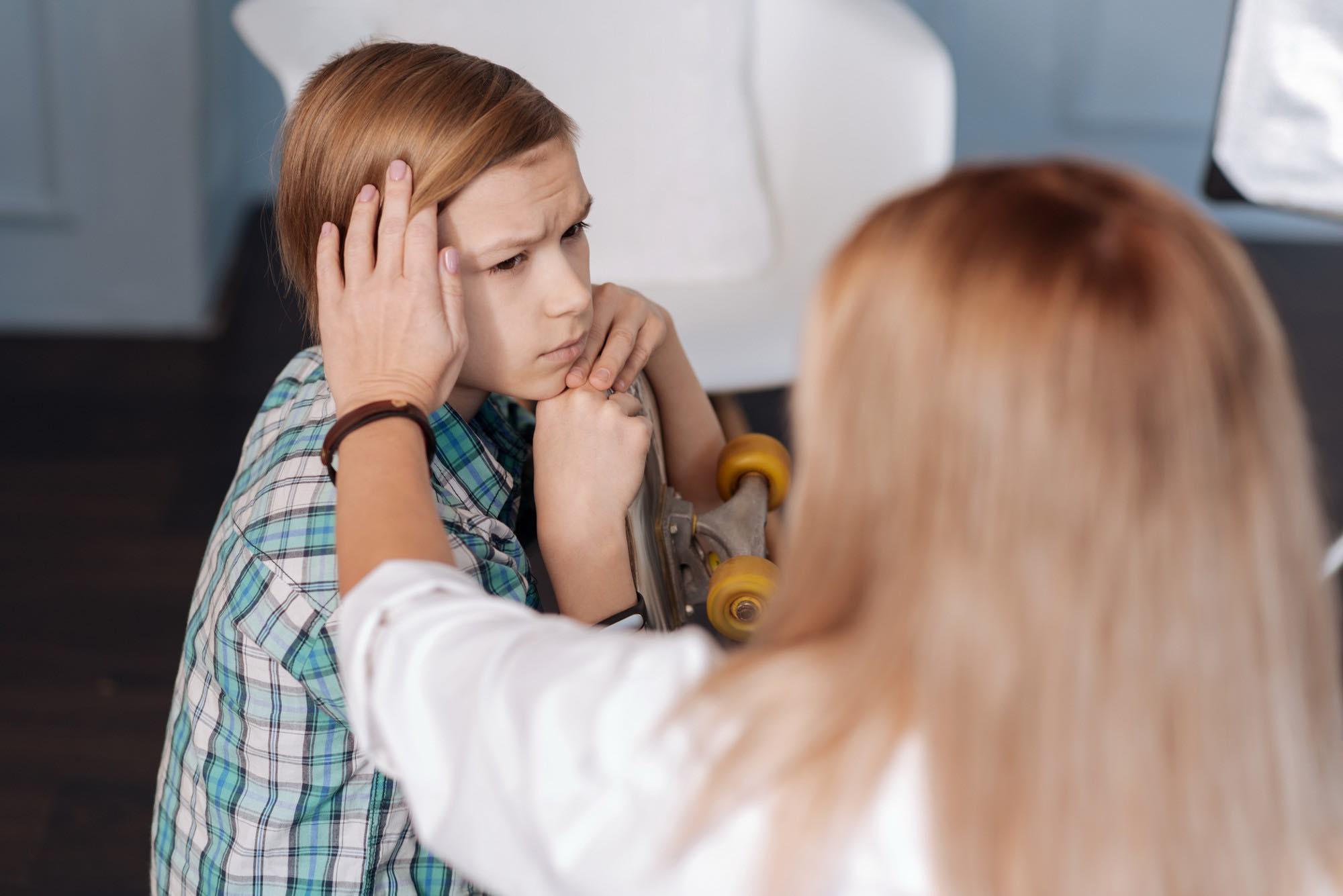
School mornings on the Sunshine Coast might start with ocean breezes and freshly packed lunches, but for some families, there’s also a familiar knot of worry in the air.
While many children feel the occasional “I don’t want to go to school” wobble, persistent school anxiety can affect a child’s wellbeing, relationships, and learning.
As clinical psychologists, more families across the Coast, from Noosa to Caloundra, are reaching out trying to make sense of these struggles.
This article explores what school anxiety looks like, why it happens, and when it’s time to reach out for professional support.
Understanding School Anxiety
School anxiety is more than reluctance or resistance. It can show up as:
- Tummy aches, headaches, or nausea, especially on school mornings
- Tears, panic, or clinginess at drop-off
- Sleep difficulties the night before school
- Avoidance, including lateness, early pick-ups, or complete school refusal
- Constant worry about teachers, peers, academic performance, or “something bad happening”
While these symptoms can be confusing, they’re not signs of a child being “naughty” or “manipulative.” Unhelpful anxiety is a protective response that has become too intense and too frequent.
Why Are More Children Feeling Anxious?
There’s no single cause, but several factors commonly play a role.
1. Big Transitions
Moving from kindy to prep, switching schools, or adjusting to new teachers can be overwhelming.
2. Social Pressures
Friendship changes, playground conflict, or fear of embarrassment can trigger anxiety in children. Children often lack the words to explain these feelings, so they show them through behaviour instead.
3. Learning Difficulties or Academic Stress
Struggling academically, or simply believing they’re “not good enough,” can lead to chronic worry. Even bright children can become anxious perfectionists.
4. Family Stress
Kids are incredibly perceptive. Changes at home, parental stress, or conflict, even when well-hidden, can intensify anxiety.
5. Temperament and Neurodiversity
Children who are naturally cautious, highly sensitive, or neurodivergent (e.g., ADHD or autism) may find school environments more overwhelming.
What Parents Often Try (and Why It Sometimes Backfires)
It’s very normal for parents to respond by reassuring, negotiating, or occasionally allowing their child to stay home. In the short term, avoidance brings relief. But over time, staying home teaches the brain: “School is scary and should be avoided.”
This can unintentionally make anxiety stronger.
Likewise, pushing too hard or framing anxiety as misbehaviour can increase shame or distress.
The goal isn’t to eliminate anxiety altogether. Instead, it’s to teach children to cope, build confidence, and feel capable.
When Should Parents Seek Professional Help?
Reach out to a psychologist when:
- School anxiety is lasting longer than a few weeks
- Your child is frequently missing school or struggling with morning routines
- Anxiety is affecting sleep, appetite, friendships, or mood
- You’re feeling stuck, confused, or overwhelmed as a parent
- The problem is creating ongoing tension at home
Early intervention makes a world of difference. The longer a child avoids school, the harder returning tends to be.
Psychologists often collaborate with families, schools, and GPs to create a plan that supports both wellbeing and attendance.
How Psychologists Can Help
Evidence-Based Therapies
Cognitive Behaviour Therapy (CBT) helps children understand their thoughts, calm their bodies, and face feared situations gradually. Play-based approaches allow younger children to express feelings safely.
Parent Strategies and Support
Parents learn practical tools to manage morning stress, respond to anxiety without reinforcing it, and build resilience.
School Collaboration
A gentle, structured return-to-school plan, created with teachers and wellbeing staff, can reduce pressure and increase success.
Understanding Contributing Factors
Assessment can identify learning issues, social challenges, or neurodevelopmental differences that may be driving anxiety.
Practical Strategies Parents Can Try Today
1. Keep Mornings Predictable
Routines help reduce uncertainty. Preparing bags and uniforms the night before can help mornings feel calmer.
2. Validate First, Problem-Solve Second
Try: “I know this feels really hard. I’m here with you. Let’s take a slow breath together.“
This helps children feel understood before encouraging them to take the next small step. If breathing isn’t feeling right, a family motto or encouraging statement can be helpful.
3. Use Gentle but Firm Expectations
Let children know school attendance is expected, while also acknowledging their feelings.
4. Build Gradual Exposure
Small steps, such as shorter drop-offs, meeting a trusted teacher before class, or practising the school routine on weekends, can help reduce anxiety.
5. Strengthen Out-of-School Wellbeing
Sleep, nutrition, outdoor play, movement, and Sunshine Coast classics, like beach walks or scooter rides, help regulate overwhelmed nervous systems.
Final Thoughts
School anxiety is common and treatable. With the right support, children can learn to feel safe, confident, and capable again, at school and beyond. If your family is finding mornings increasingly stressful, reaching out for professional help can be an empowering first step.
If you’re a Sunshine Coast parent seeking guidance, a psychologist can work with you and your child to create a plan that feels supportive, evidence-based, and tailored to your family’s needs.
Ready to Take the Next Step?
The team at Anxiety House Sunshine Coast works with children and families experiencing school anxiety, with appointments available in Buderim and Parrearra.
Get in touch with our team to find out how we can help your child feel more confident at school.
Written by Brad Shaw, Clinical Psychologist
Anxiety House Sunshine Coast | Buderim | Parrearra