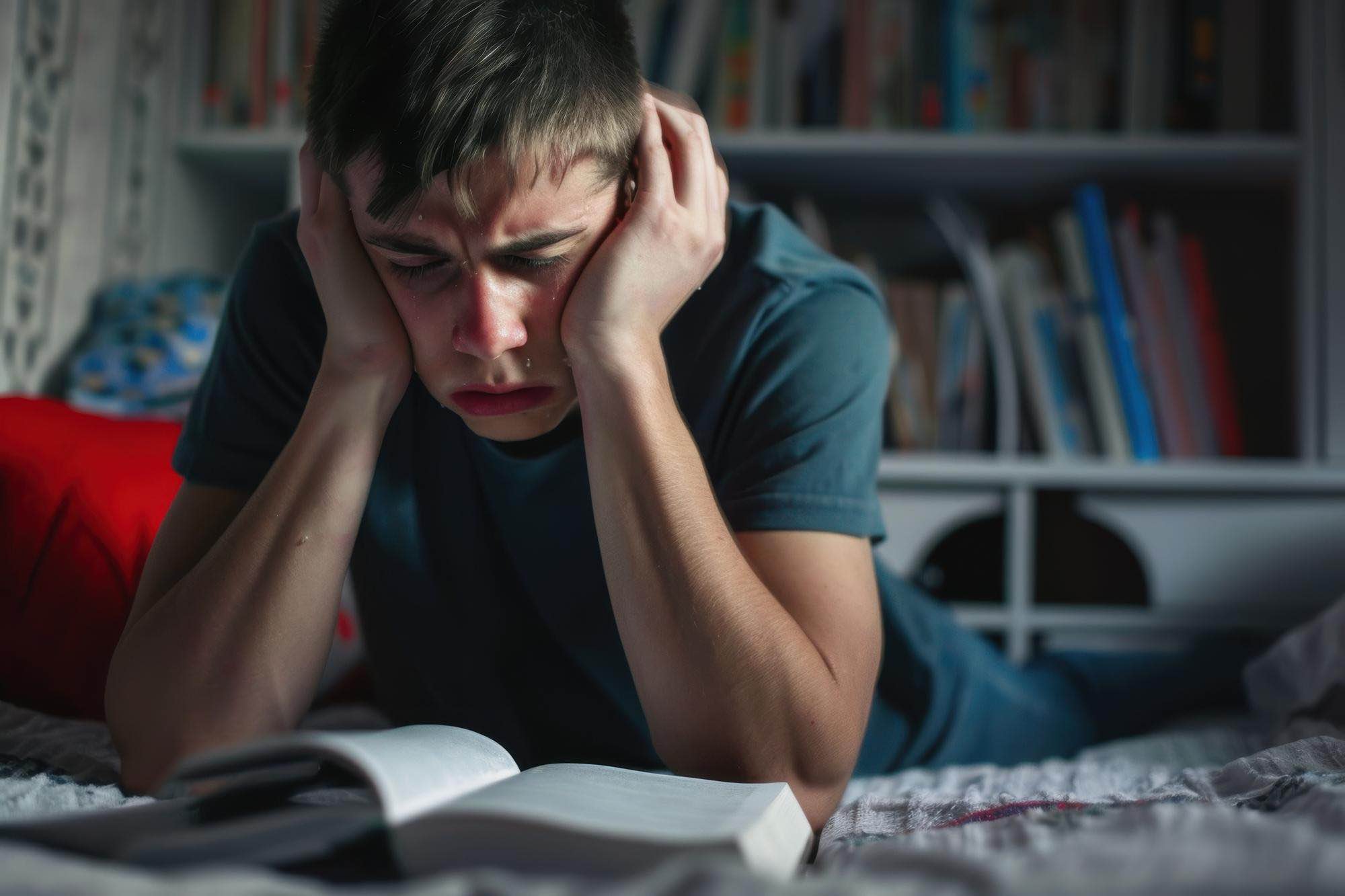
We’ve all experienced stress. A looming deadline, financial pressure, parenting, relationship challenges or a major life change can leave us feeling overwhelmed.
Usually, as the situation settles, so do we.
But sometimes those feelings don’t switch off. Worry lingers, sleep becomes difficult, and everyday tasks start feeling harder than they should.
So how do you know when anxiety has become more than “just stress”?
Stress and Anxiety Aren’t the Same Thing
Stress is usually a response to an external challenge. It often improves once the pressure eases.
Anxiety is different. It can persist even when there isn’t an obvious threat. Your mind continues scanning for problems, imagining worst-case scenarios or preparing for situations that may never happen. Your body’s fight-or-flight response stays activated, making it difficult to truly relax.
The challenge isn’t feeling anxious, it’s when anxiety begins controlling your life rather than supporting it.
Signs Anxiety May Be More Than Everyday Stress
You Can’t Switch Your Mind Off
Everyone worries occasionally, but anxiety often feels relentless. You may replay conversations, second-guess decisions or imagine everything that could go wrong. Even when you know the worries aren’t helpful, they can feel impossible to stop.
Your Body Feels Constantly “On”
Anxiety often shows up physically through symptoms such as:
- Tight muscles or headaches
- A racing heart
- Shallow breathing
- Digestive discomfort
- Feeling restless
- Ongoing fatigue
Many people first visit their GP thinking something is physically wrong, only to discover anxiety is playing a significant role.
It’s Affecting Your Daily Life
One of the clearest signs that support may help is when anxiety begins interfering with everyday life. You might avoid social events, struggle to concentrate at work, put off important decisions or find yourself less patient with the people you care about.
You’re Avoiding More and More
Avoidance provides short-term relief but often strengthens anxiety over time. Whether it’s cancelling plans, avoiding phone calls or putting off appointments, avoiding situations teaches the brain they’re something to fear. Therapy helps people gradually rebuild confidence instead of allowing anxiety to shrink their world.
You’re No Longer Enjoying the Things You Used To
When anxiety becomes persistent, life can feel smaller. Activities you once enjoyed may begin to feel like obligations, motivation drops and you may think, “I just don’t feel like myself anymore.”
You Keep Hoping It Will Just Go Away
If anxiety has been present for weeks or months and your usual coping strategies aren’t helping, it may be time to seek support. Many people tell us they wish they’d reached out sooner. Psychological support isn’t about waiting until you’re at breaking point, it’s about getting help before anxiety becomes overwhelming.
What Does a Psychologist Actually Do?
Therapy is more than talking. You can build a therapeutic relationship with someone who will guide you towards the life you want to live.
Evidence-based approaches such as Cognitive Behaviour Therapy (CBT), Acceptance and Commitment Therapy (ACT) and mindfulness-based strategies help people understand anxiety, develop practical coping skills and regain confidence.
The goal isn’t to eliminate anxiety completely, it’s to stop anxiety from running your life.
A Final Thought
Stress is part of being human. Anxiety is too.
The difference is whether those feelings are temporary and manageable, or whether they’ve started limiting how you live, work and connect with others.
If anxiety is affecting your sleep, relationships, work or overall wellbeing, speaking with a psychologist isn’t a sign you’ve failed to cope. It’s a proactive step towards feeling better. The earlier anxiety is addressed, the easier it often is to change its course.
Practical Takeaways
Ask yourself:
- Has my anxiety lasted several weeks or longer?
- Is it affecting my work or relationships?
- Am I avoiding situations because of anxiety?
- Do I feel constantly on edge or physically tense?
- Have my usual coping strategies stopped working?
If you answered “yes” to several of these questions, it may be worth talking to your GP or a psychologist. Early support can make a significant difference. Get in touch with Anxiety House Sunshine Coast to take that first step.